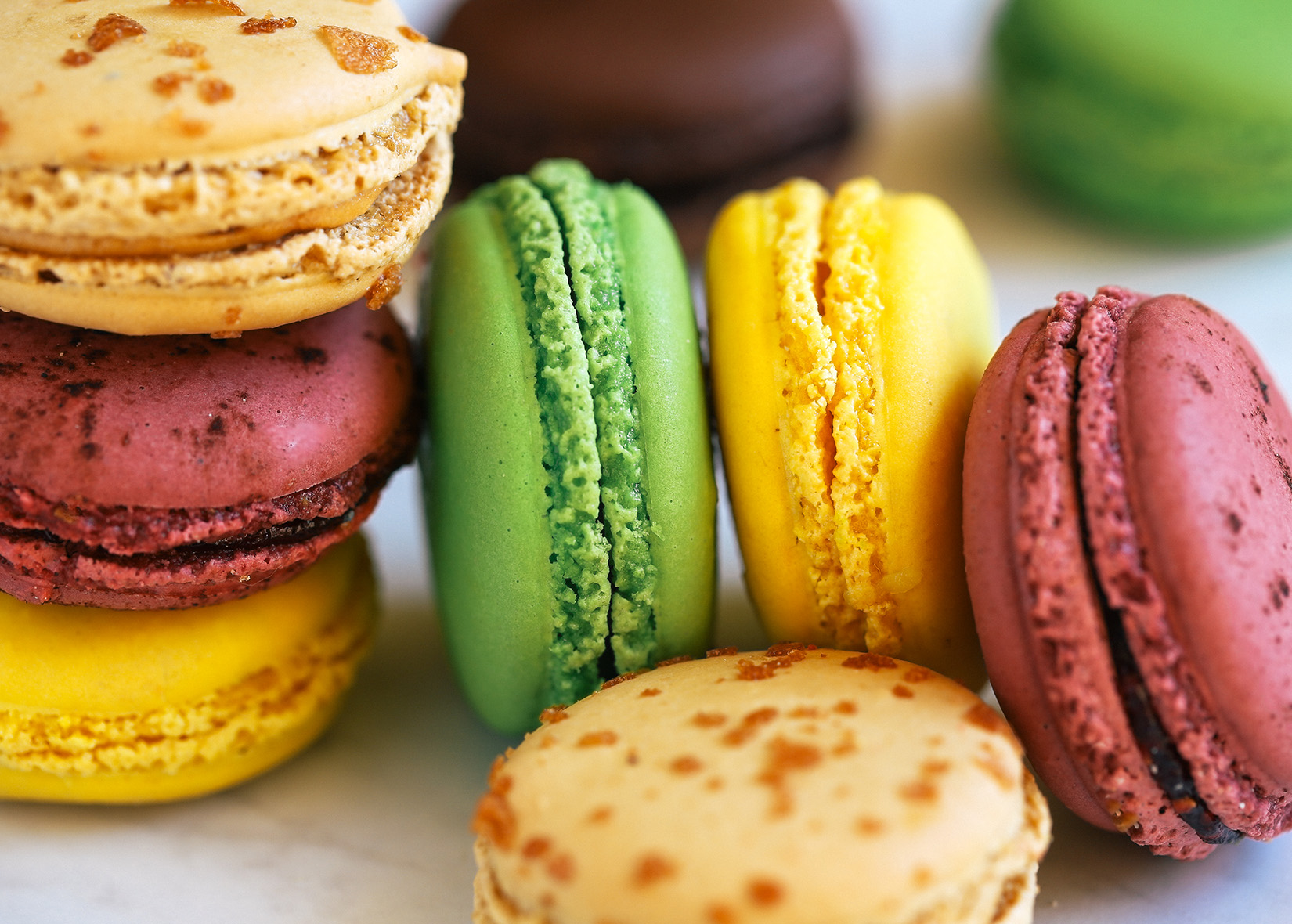
First things first: macarons are not macaroons. If you call that shredded coconut mess a macaron, a French pastry chef somewhere just got an eye twitch. A real macaron is a delicate sandwich of two almond meringue cookies held together by a silky filling. It’s the opposite of that lumpy, sticky coconut blob your aunt brings to potlucks.
And no, they are not cookies. Cookies are casual. They get crumbs on your couch and don’t care. A macaron is a living sculpture that requires more precision than brain surgery—minus the life-or-death stakes, obviously. Well, unless you drop the tray.
A Shocking Confession: They Were Not Born in France
Prepare for betrayal: the macaron’s origin story is Italian, not French. Yep. The first ones popped up in Renaissance Italy, probably served to a duke who thought, “My powdered wig isn’t enough—let’s make a tiny, crunchy hat I can eat.” It wasn’t until Catherine de Medici schlepped the recipe to France in the 1500s that the French stole the credit.
But here’s the twist: the modern double-decker macaron with filling? That’s all French. Pierre Desfontaines, a pastry chef, smooshed two cookies together with ganache in the early 1900s. So the Italians invented the wheel, and the French glued two wheels together and charged you $4. History is weird.

