Let’s start with the simplest one: seltzer. Seltzer is plain water that has been carbonated. That’s it. No extra minerals, no weird flavors, no secret ingredients. It’s the vanilla ice cream of fizzy waters: pure, honest, and a little boring on its own. The name comes from a German town called Niederselters, which had natural springs. So really, you’re drinking German history in a can. Zwei bier, bitte!
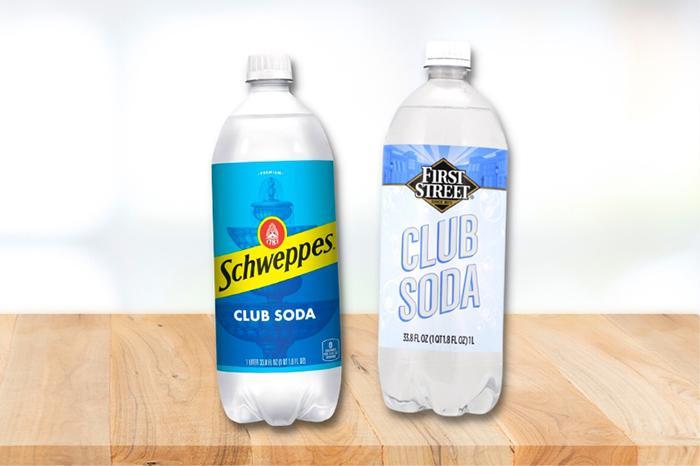
Now, club soda is seltzer’s slightly fancier cousin who shows up to brunch wearing a blazer. Club soda has added minerals—like sodium bicarbonate, potassium sulfate, or sodium chloride. That’s just a fancy way of saying “a pinch of salt and some magic powder.” These minerals give club soda a rounder, more sophisticated taste. It’s the difference between a plain bagel and a bagel with a smear of cream cheese. Both are fine, but one tries harder.
The Taste Test You Didn’t Ask For
If you drink seltzer and club soda side by side, you’ll notice something. Seltzer hits your tongue like a tiny, enthusiastic jackhammer. Sharp and clean. Club soda is softer, almost creamy. It’s because the minerals buffer the acidity. The carbonic acid (that’s the fizz) gets mellowed out by the salts. You’re basically drinking unflavored, low-rent Gatorade. What a time to be alive.
Here’s a surprising fact: club soda was invented in the 1800s to mimic natural mineral waters from spas. Rich people would travel to fancy springs in Europe to drink bubbly water for their health. Club soda was the cheap knockoff, sold in bars. So next time you order a vodka soda, remember: you’re drinking a 200-year-old hustle on the wealthy.