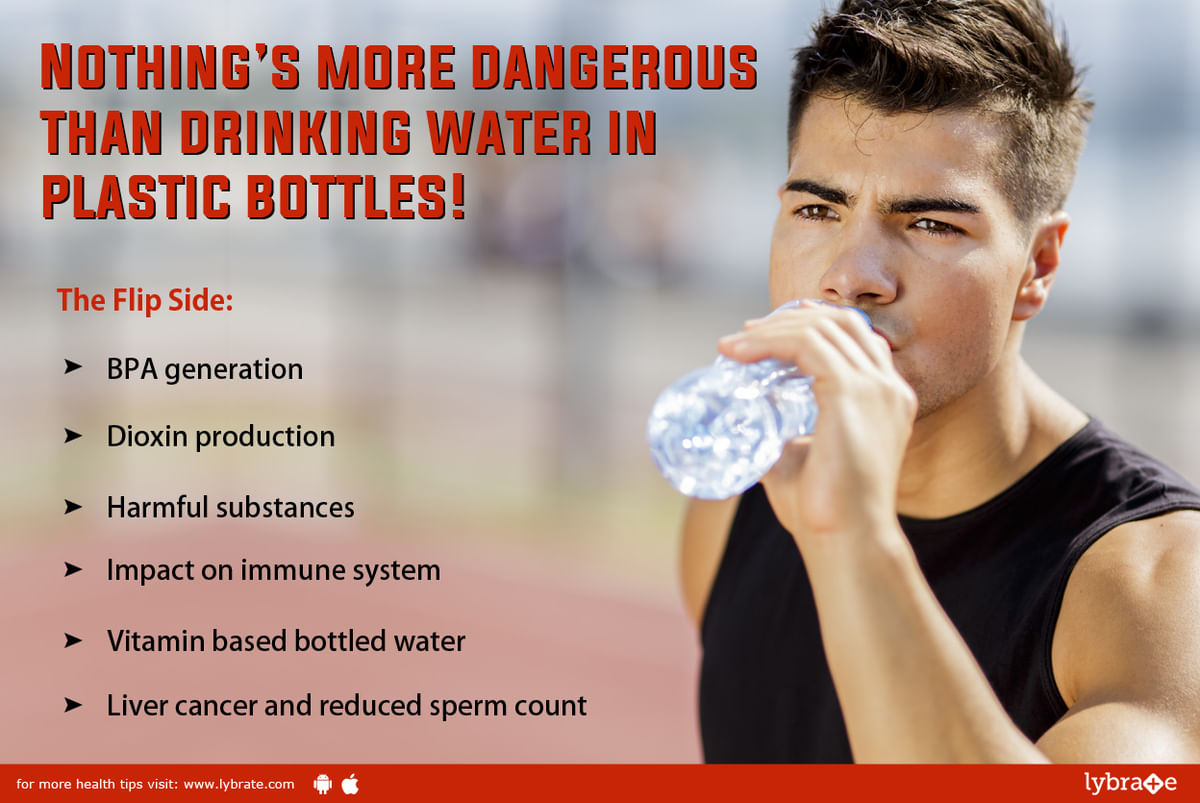
Let’s get the heavy stuff out of the way first. Most single-use bottles are made from PET (polyethylene terephthalate), which is generally considered safe for one-time use. The real drama starts when you leave that bottle in a hot car or reuse it for a week of post-gym hydration.
Heat and time can cause the plastic to leach antimony and other compounds into your water. Antimony is a heavy metal that, in high doses, can mess with your thyroid. No thanks.
Another sneaky suspect is BPA (bisphenol A), which mimics estrogen in the body. While many bottles now claim “BPA-free,” the substitutes (like BPS) might have similar effects. The science isn’t settled, but your body doesn’t need an endocrine guessing game.
The Environmental Vibe Check
Here’s where the guilt really kicks in. Over a million plastic bottles are bought every minute globally, and only about 9% get recycled. The rest end up in landfills or the ocean, where they take 450 years to decompose.
That’s longer than any of us will be alive. Imagine your future great-grandchild finding a fossilized Deer Park bottle on a beach—not a great legacy. It’s a sobering reminder that convenience often has a hidden price tag.
Fun fact: It takes three liters of water to produce one liter of bottled water. Yes, you read that right. The production process is a thirsty beast.

