
Once you find it, you’ll see a face with numbers, like a car’s odometer. Some are digital, some are old-school dials. It’s not a spy gadget; it just shows how many gallons or cubic feet you’ve used. The most important part is the little triangle or star called a “low-flow indicator.”
Here’s the fun part: Turn off every tap, toilet, and appliance in your house. Then go stare at your meter. If that little triangle is spinning, you have a leak. It’s like a tiny spinning top saying, “Drip, drip, drip, your wallet is getting lighter.”
You can use this to play detective. Turn off the water to your washing machine and check the meter. Then turn the toilet valve off and check again. You’ll find the sneaky little leak that has been costing you money. It’s oddly satisfying, like solving a miniature mystery.
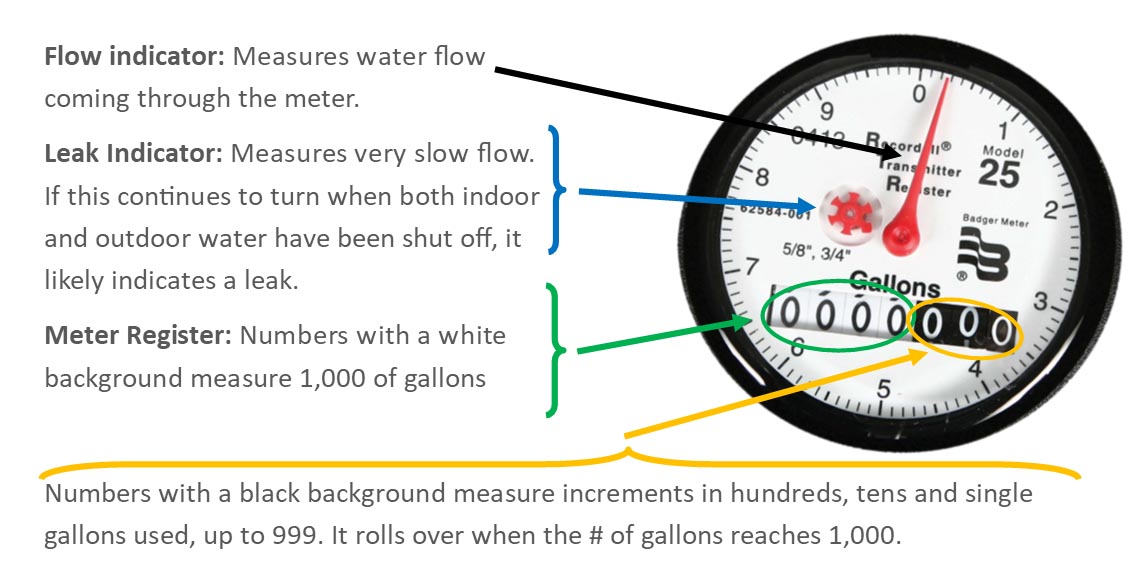 Water Meter Reading
Why You Should Care This Weekend
Most people only discover their water meter during a crisis—like when the bill triples and they panic. Don’t be that person. Spend five minutes this Saturday finding yours. Give it a little introduction. “Hello, Meter. I am your owner.”
Just knowing its location means you can quickly shut off the water if a pipe bursts while you’re on vacation. It’s like having a fire extinguisher for your plumbing. You don’t need it until you really, really need it.
Plus, you’ll feel incredibly adult. You’ll be the neighbor who casually says, “Oh, I just checked my water meter. Everything’s fine.” That’s a power move. That’s the kind of boring heroism we all need in our lives.
So grab a flashlight, put on your detective hat, and go find that little metal box. It’s not glamorous. It’s probably dusty. But it’s your personal water watchdog. And honestly, after you find it, you’ll sleep a little better knowing you’re not accidentally watering the lawn with your savings.
Go on. The meter is waiting.

