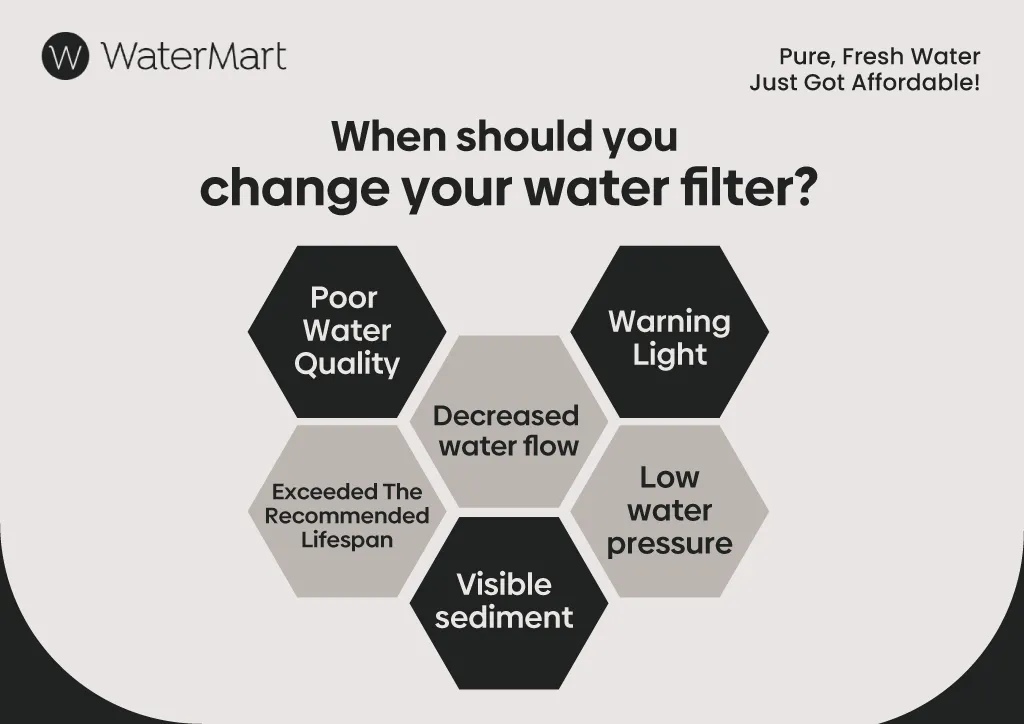
The short answer is: every two to six months, depending on your filter type. But don’t zone out—let’s break it down with real-life examples. A standard pitcher filter, like the one sitting in your fridge, usually needs changing every 40 gallons or about two months. If you’re a thirsty family of four chugging water like you just ran a marathon, that time shrinks fast.
For faucet-mounted filters or under-sink systems, the rule is typically three to six months. But here’s the twist: if your tap water is especially hard, rusty, or full of sediment, you’re going to burn through filters quicker. It’s like driving a car in a sandstorm—your air filter will clog up way sooner than the manual says.
And don’t get me started on refrigerator filters. They usually last about six months, but most of us ignore the blinking light until the ice starts tasting like last night’s meatloaf. Don’t be that person.
The “But I Forgot” Story
Let me tell you about my friend Dave. Dave had a Brita pitcher that he hadn’t changed in eighteen months. He bragged that the water still tasted “fine.” One day, I took a sip and—I kid you not—it tasted like a damp basement mixed with old pennies. Dave was shocked. He’d just gotten used to the funky flavor. Your taste buds will adjust to anything, but that doesn’t mean it’s good for you.
That stale taste is actually a sign that bacteria and mold can start building up inside the filter. Manufacturers don’t put those “change me” stickers on as a prank—they’re there because old filters become a breeding ground for germs. So if you notice a weird smell, a slower flow, or a cloudy glass, it’s time to say goodbye.