
How Can Arsenic Get Into A Drinking Water Supply
Let’s be honest: when you pour yourself a tall glass of cool, refreshing tap water, the last thing you expect to worry about is something straight out of a Victorian murder my...
Let’s be honest: when you pour yourself a tall glass of cool, refreshing tap water, the last thing you expect to worry about is something straight out of a Victorian murder mystery. But here we are, talking about arsenic! Before you panic and switch to a diet of nothing but coconut water, take a deep breath. This is actually a fascinating detective story about how a natural element can sneak into your H₂O, and trust me, the reality is way more interesting (and less scary) than you think.
So, how can arsenic get into your drinking water supply? The most common culprit is Mother Nature herself. Arsenic is a naturally occurring element in the earth’s crust, kind of like a grumpy old rock that dissolves into groundwater over thousands of years. When rain falls and filters through layers of soil and rock, it can pick up this pesky mineral—no evil villain required, just geology doing its thing!
Think of it like this: you know how a tea bag leaches flavor into hot water? Same principle, but with rocks. Certain regions, particularly areas with volcanic rock or ancient sediment, have higher natural arsenic levels in their aquifers. It’s not that someone poisoned the well; it’s that the well happened to be drilled into a geochemical time bomb that’s been brewing for millennia.
Human activity also plays a starring role in this arsenic drama. Old mining sites, for instance, can be a major source. When miners dug for gold or copper back in the Gold Rush days, they often disturbed arsenic-rich minerals. Rainwater then washes those leftovers into streams and reservoirs—a historical hangover we’re still dealing with.
And here’s a twist: agriculture can add to the mix. Until the late 20th century, farmers used arsenic-based pesticides and herbicides on crops like cotton and apples. These chemicals are now mostly banned, but their legacy lingers in the soil. When it rains, a little bit of that old, outlawed chemistry can trickle down into the water table—talk about a ghost from the past!
Industrial pollution is another obvious, but less common, pathway. Factories that produced glass, electronics, or treated wood might have historically discharged arsenic into nearby rivers or lakes. Regulations today are much tighter, but old contamination can still haunt certain spots. The good news? Most municipal water systems test for this like hawk-eyed detectives.
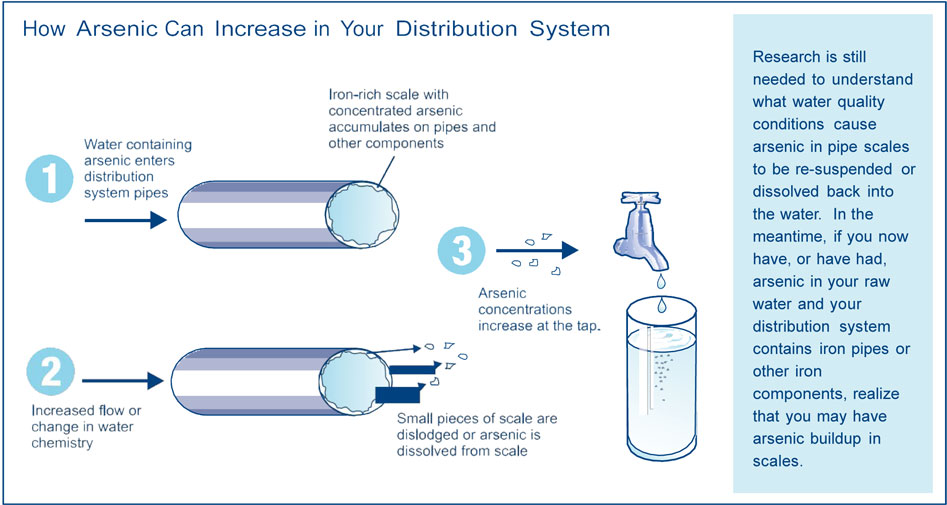 What Is Arsenic In Drinking Water at Agnes Hendricks blog
Still, you might wonder: should I start building a water filtration fortress in my kitchen? Not unless you live near an unregulated private well in a high-risk area. Public water supplies are strictly regulated by agencies like the EPA, which sets a maximum contaminant level for arsenic at 10 parts per billion—that’s like spotting one drop of ink in an Olympic-sized swimming pool. For most folks, the tap is perfectly safe.
The real fun begins when you realize this knowledge makes life more interesting, not less. Next time you’re hiking past a sparkling stream, you can impress your friends with a casual, “You know, that water might contain dissolved arsenic from ancient volcanic ash!” It’s like adding a dash of science fiction to your outdoor adventures—without the fear factor.
And here’s the uplifting part: we are incredibly lucky to live in an era where we can understand, detect, and manage these invisible risks. A hundred years ago, people just got sick and blamed it on bad vibes. Today, we have labs, test kits, and advanced filters that can remove arsenic with simple technology like iron oxide or activated alumina. We’re not helpless; we’re empowered!
So, go ahead and take a sip of that water—with a smile. The story of arsenic in our supply is a reminder that the world is full of hidden wonders and gentle challenges. It’s an invitation to stay curious, check your local water report once a year (seriously, it’s fascinating), and appreciate the invisible chemistry that keeps us alive. You’ve got this—and the planet’s geology is just another adventure to explore.

