
First, a quick love note: your pilot light is that tiny, ever-burning flame (or a spark-ignited one) that’s supposed to invite the main burner to the party. It’s the gatekeeper. When it lights but the big flame doesn’t follow, the issue is almost always something lazy—like a sensor or a valve that forgot its job. Classic inanimate object behavior.
So why does the pilot say “yes” and the burner say “no”? Three main suspects are usually to blame: a dirty thermopile, a faulty thermocouple, or a gas valve that’s being a drama queen. Let’s make this fun—think of them as the lazy coworkers in your fireplace’s team.
Suspect #1: The dirt-dodging thermopile
The thermopile is a little metal rod that sits in the pilot flame and generates electricity to open the main gas valve. If it’s covered in soot or dust—hey, it happens after a season of neglect—it can’t produce enough juice. The pilot stays lit, but the main valve stays shut. Easy fix: grab a soft brush or a can of compressed air (the kind you use for keyboards) and gently clean that rod. Just do it when the fireplace is cold and turned off, okay? Nobody wants a surprise eyebrow singe.
You can also bend the thermopile slightly to make sure it’s fully inside the pilot flame. Think of it as giving your coworker a better seat at the meeting. If the flame licks it more, the valve might finally open up. Simple, right?
Suspect #2: The thermocouple—the safety snitch
This guy looks a lot like the thermopile but has one job: it tells the gas valve, “Hey, the pilot is on, so it’s safe to open the main gas.” If the thermocouple is worn out or covered in gunk, it stops talking to the valve. The pilot flame stays—because it’s still getting its own tiny gas supply—but the main burner stays off. Classic miscommunication.
How to check? After the pilot lights, hold the control knob down for about 30 seconds (read your manual first, but most work this way). If the pilot stays on when you release the knob, the thermocouple is fine. If it flickers out? Busted—you’ll need to replace it, which is a cheap part but a tiny pain to install. You can do it yourself with basic tools, or call a pro if you’re not into DIY adventures.
Suspect #3: The gas valve—the moody boss
If the thermopile and thermocouple are clean and working, but the burner still refuses to ignite, the gas valve itself might be stuck or faulty. This is the internal switch that opens the main gas line when it gets the signal. Sometimes it’s just jammed—like a stiff door—and a gentle tap (with the handle of a screwdriver, not a hammer) can free it. Seriously, a little percussive maintenance works wonders.
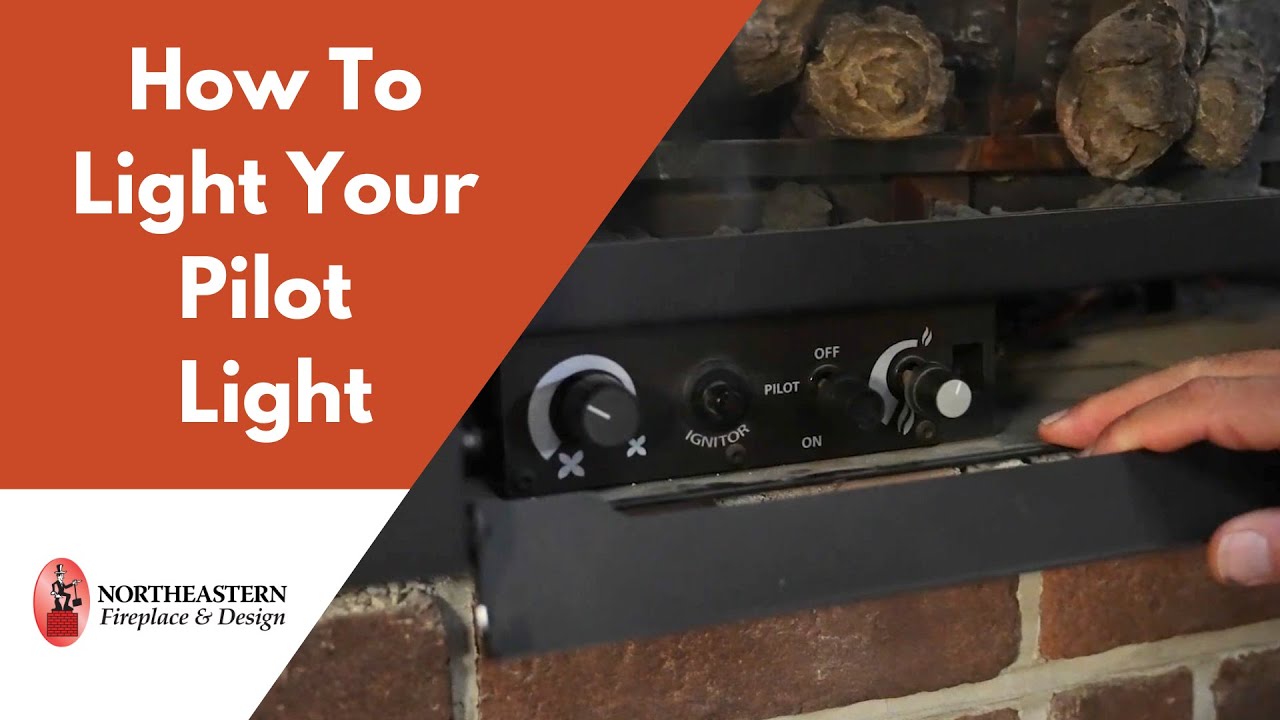 How to Light a Gas Fireplace with a Pilot Light • strongeru.com
But if tapping does nothing, the valve might be dead. That’s a job for a technician, because gas valves are sealed units—no DIY hacks with duct tape, please. Call your local fireplace guy and prepare for a cringe-worthy service fee. Still cheaper than a weekend without fire, if you ask me.